


Most buildings CGA works on do not close for the duration. Schools keep teaching. Churches keep holding services. Hotels keep checking guests in. At the Officers' Mess at Brompton Barracks, lunches and formal events carried on while the team was working on the roof above.

For clients, that is usually the point. Closing a building means relocating staff or residents, bringing in temporary classrooms or structures, and absorbing the cost and disruption that comes with both. Keeping it open avoids all of that. It also changes how a project has to be run.
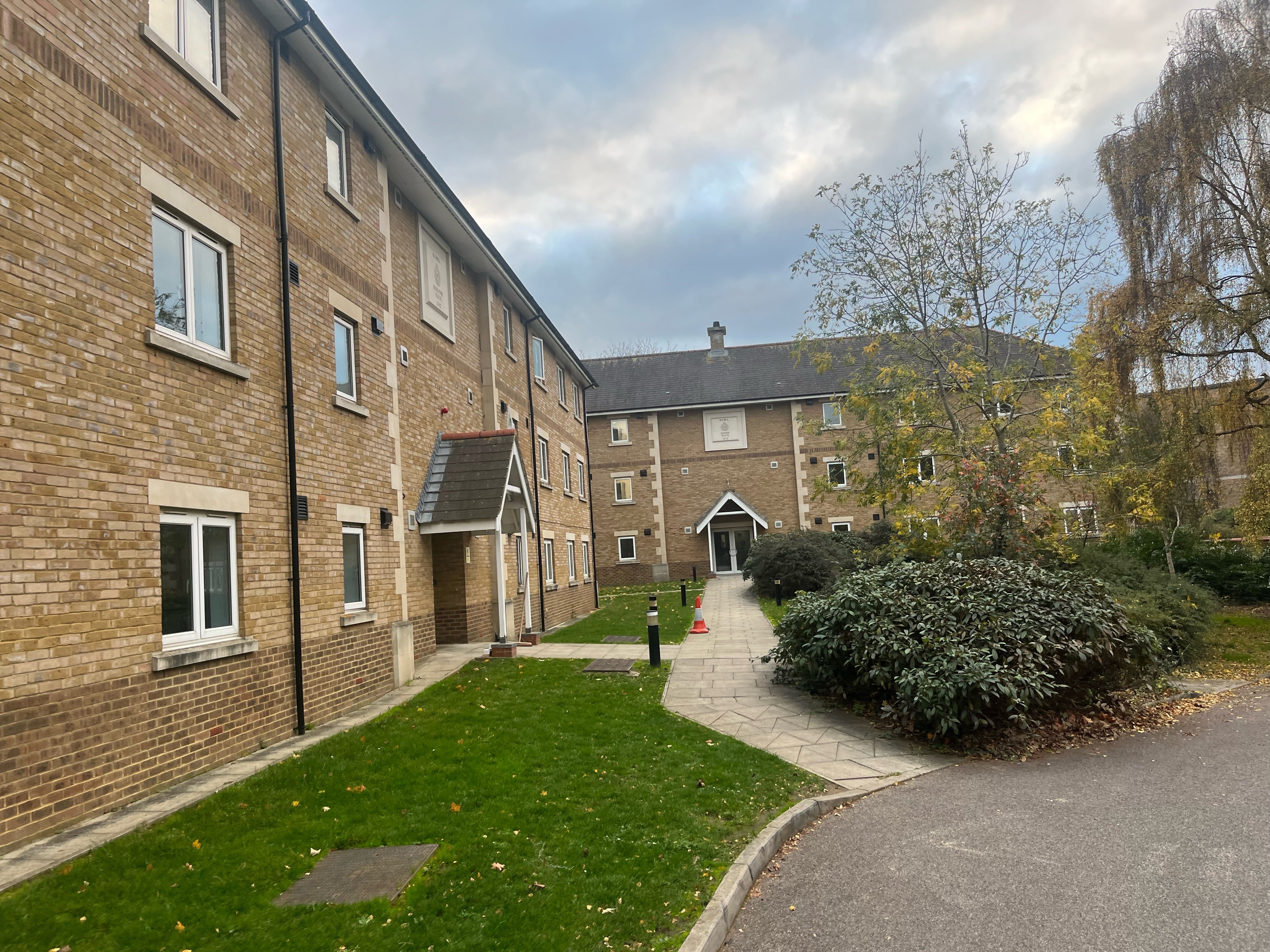
Planning starts before anyone arrives on site. CGA agrees with the client what is happening in the building and when: events, lessons, services, deliveries. Noisy work is restricted to set hours so it does not clash with the people using the building. Where a milestone cannot be met within those hours, the work moves to evenings and weekends. That is the contractor's problem to solve, not the client's.
Communication carries on throughout. Facilities teams, site authorities and building users are told what is coming, which areas are affected and for how long. Nobody should turn a corner and find a corridor closed without warning.
Safety on an occupied site carries a different weight. Dust and fumes are controlled so they do not reach rooms in use. Safe routes in and out are kept clear and clearly marked. Work areas are closed off whenever the task requires it. On a live site, the people using the building are only ever a door away. More on how CGA approaches health and safety is on the Responsibility page.
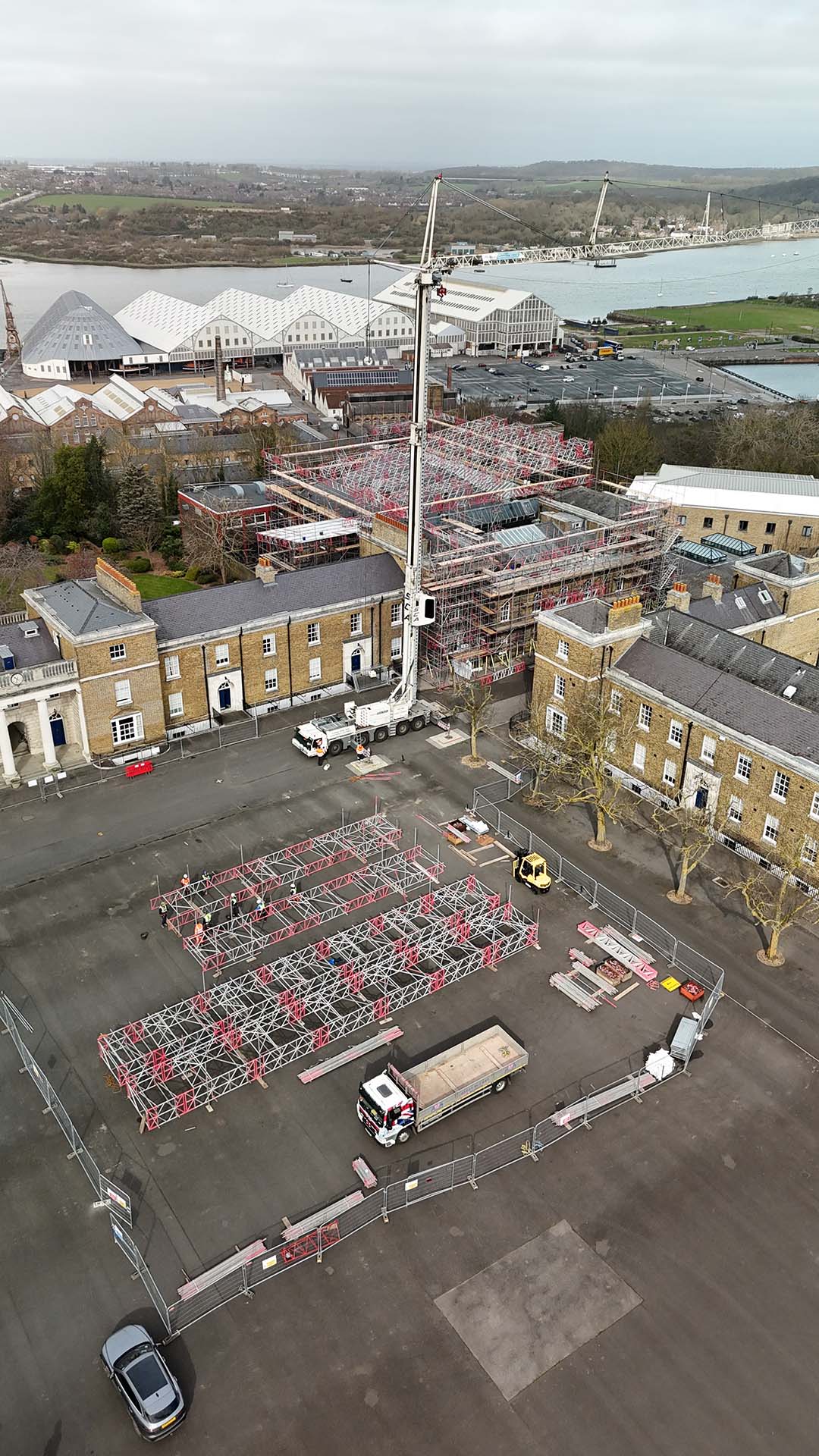
Lifting is where the planning is most visible. At the Officers' Mess, getting onto the roof required a 59-tonne crane. At Trinity School in Croydon, where CGA is creating a new dining hall by infilling an internal courtyard, a crane was also needed on site. In both cases a full lifting plan was produced before anything moved: the weight of each load, the span of the crane and every safety measure around the lift. The lift then takes place in an agreed window, when the risk to people nearby is lowest. Once the plan is approved, it is followed to the letter.
The same approach runs across CGA's work. At Lancaster Gate Hotel, the refurbishment is phased around a hotel that never stops trading. At the Royal Opera House, the Chorus Rehearsal Room was rebuilt while the rest of the building stayed busy, with noise limits and deliveries agreed with the client and building management. At Holy Trinity Clapham, the team brought the church to partial possession in time for its 250th birthday services.
On the defence side, the Officers' Mess stayed fully operational throughout. That record, alongside the Burgoyne & Napier Blocks, has led to two further projects at Brompton Barracks: North Block accommodation and a new plant room at the Officers' Mess. More on those soon.
Buildings rarely stop for a refurbishment. The work has to fit around them.
To discuss works on an occupied building, contact the CGA team.


